
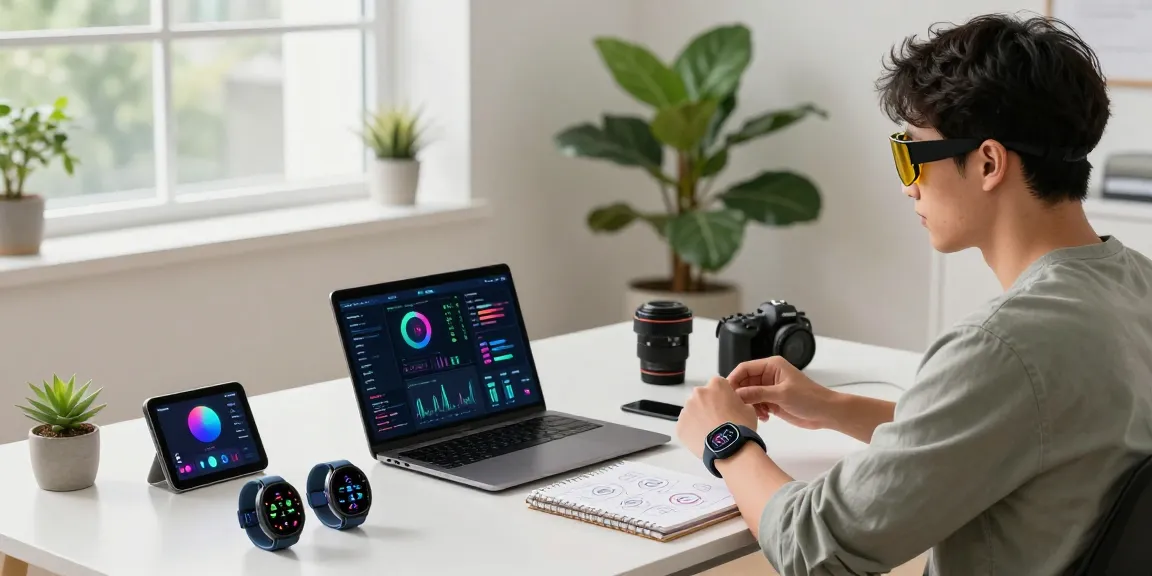
Understanding AI Wearables: Revolutionizing Personal Tech
The landscape of technology is rapidly evolving, with artificial intelligence becoming an integral component of everyday gadgets. Among the most transformative innovations are AI wearables, which blend cutting-edge technology with user-centric design to enhance our daily lives. These devices, which range from smartwatches to health-monitoring accessories, are not just about convenience; they revolutionize how we interact with information, manage our health, and stay connected. As we move into 2026, understanding how these tools work and their implications becomes essential for anyone looking to stay ahead in the tech game. When exploring options, AI wearables provide comprehensive insights that can help consumers make informed decisions.
What Are AI Wearables and How Do They Work?
AI wearables are sophisticated gadgets equipped with artificial intelligence capabilities, enabling them to process data, learn user habits, and make contextual predictions. These devices can analyze physiological signals, monitor activity levels, and even engage in proactive health management. The core functionality lies in their ability to collect vast amounts of data over time and utilize machine learning algorithms to offer personalized insights.
For instance, wearable fitness trackers monitor heart rate and activity levels, using AI to suggest workout plans tailored to individual performance metrics. Similarly, smart glasses may use AI to enhance visual experiences by overlaying information onto real-world views, thereby facilitating a more interactive environment.
Key Features and Functions of AI Wearables
- Health Monitoring: Comprehensive tracking of vital statistics such as heart rate, sleep patterns, and other metrics critical to overall health.
- Connectivity: Seamless integration with smartphones and other devices, enabling notifications and communication at the user’s convenience.
- Custom Alerts: AI-driven insights allow wearables to send personalized notifications, adapting to the user’s lifestyle and preferences.
- Data Analysis: Utilizing historical data, AI can predict potential health issues, enhancing preventive healthcare.
- Interactive Interfaces: Many wearables come equipped with voice assistants that allow users to interact hands-free.
Market Trends: Growth and Innovations in AI Wearables for 2026
The global market for AI wearables is poised for exponential growth in 2026. Industry reports forecast that the market will expand as consumers increasingly prioritize health and wellness solutions. Innovations such as AI-enabled smart clothing, which monitors physiological metrics like perspiration and body temperature, are gaining traction. Furthermore, the integration of augmented reality (AR) and virtual reality (VR) features in wearables will enhance functionality and user engagement. According to recent analytics, the demand for AI wearables is expected to grow by 35% annually, reflecting a shift in consumer preferences toward smart, interactive devices.
Top AI Wearable Devices to Consider in 2026
Review of Leading AI Wearables: Features and Benefits
As the market matures, several AI wearables stand out in terms of features and consumer satisfaction. The following devices have garnered attention:
- Apple Watch Series 10: Offers advanced health monitoring features such as ECG and blood oxygen tracking. Its AI algorithms provide personalized workout suggestions and activity reminders.
- Fitbit Charge 6: A comprehensive tracker that specializes in fitness metrics along with sleep analytics, paired with an intuitive app for data visualization.
- Oura Ring 3: Known for its sleek design, it tracks sleep quality and readiness metrics through advanced biometric sensing.
Comparison of Pricing and Performance in AI Wearables
Pricing for AI wearables varies significantly based on features, brand, and technology. High-end devices like the Apple Watch can exceed $800, while more budget-friendly options like Fitbit devices start around $100. Performance often correlates with price, as mid to upper-tier products generally offer extensive features such as GPS, advanced health tracking, and longer battery life.
Comparative analyses of user feedback indicate that while budget devices are adequate for basic fitness tracking, they often lack the depth of data and customization that premium devices provide. Users regularly emphasize the importance of data accuracy, app integration, and customer service as key decision factors.
User Experiences: Testimonials and Reviews of Popular Models
Consumer feedback plays a vital role in shaping the market for AI wearables. Many users report enhanced motivation to maintain their fitness routines, thanks to personalized insights offered by their devices. For instance, users of the Garmin Fenix series appreciate its rugged design and extensive outdoor features, while those using the Galaxy Watch series highlight the seamless integration of Samsung’s ecosystem.
However, some consumers express concerns about battery life and the learning curve associated with new apps. Balancing usability with feature-rich designs continues to be a challenge for manufacturers as they cater to a diverse consumer base.
Health and Wellness Uses of AI Wearables
Tracking Health Metrics: How AI Wearables Monitor Your Well-Being
AI wearables have made significant contributions to personal health management. By continuously monitoring metrics like heart rate variability, blood pressure, and physical activity, these devices provide insights that help individuals make informed health decisions. For example, AI algorithms can detect abnormal heart rhythms and notify users to seek medical advice, potentially saving lives.
AI Wearables in Medical Applications: Enhancements in Patient Care
The medical community is increasingly recognizing the value of AI wearables for patient monitoring. Devices that can track patient vitals remotely not only enhance the efficiency of healthcare delivery but also improve patient outcomes. Hospitals are leveraging wearables to monitor chronic conditions like diabetes and hypertension, allowing for timely intervention and reducing hospital readmission rates.
Addressing Health Concerns: Insights Gained from AI Wearables
Beyond tracking, AI wearables are being used to address broader health concerns. Insights gained from aggregate data can inform public health strategies. For instance, data collected during a pandemic could help identify areas of concern and track the effectiveness of public health interventions. These capabilities, however, also raise ethical questions about privacy and data security that need careful consideration.
Integrating AI Wearables into Everyday Life
Practical Tips for Using AI Wearables Effectively
To maximize the benefits of AI wearables, users should consider the following practical tips:
- Set Clear Goals: Define your health and fitness objectives to tailor your wearable’s features to your needs.
- Regularly Update Software: Ensure your device runs the latest software for optimal performance and security.
- Engage with Apps: Utilize companion apps fully to visualize and analyze your data effectively.
- Use Reminders: Take advantage of reminder features to stay active and meet hydration goals.
Common Challenges and Solutions in AI Wearable Usage
While AI wearables offer numerous advantages, users may face challenges such as device compatibility, battery life, and data overload. To address compatibility issues, always check for software updates and compatibility before purchasing. For battery life concerns, users should adopt practices like charging the device regularly, monitoring app usage, and customizing settings to optimize performance.
Future Applications: Predicting the Next Steps for AI Wearables
The future of AI wearables is poised to expand into new realms, including more sophisticated health diagnostics, enhanced AR experiences, and improved environmental awareness. Imagine a day when your wearable not only monitors your health stats but also provides real-time feedback on your environment, such as UV exposure or air quality. As AI continues to develop, the possibilities for integration into personal and professional life are virtually limitless.
FAQs About AI Wearables
What types of AI wearables are available?
AI wearables come in various forms, including smartwatches, fitness trackers, smart rings, and even smart clothing. These devices serve different functions, from health monitoring to enhancing productivity.
How do AI wearables enhance everyday productivity?
AI wearables can improve productivity by providing timely notifications, reminders for tasks, and the ability to manage schedules more efficiently through voice commands and app integrations.
What are the privacy concerns with AI wearables?
Data privacy is a significant concern, as wearables collect extensive personal information. Users should be aware of data-sharing policies and choose devices with robust security features.
How to choose the best AI wearable for your needs?
Choosing the right AI wearable involves assessing your specific needs, whether they are fitness-related, health monitoring, or productivity enhancement, and comparing features, pricing, and user reviews.
What is the future of AI wearables in health technology?
The future holds great promise for AI wearables in health technology, particularly in predictive analytics and personalized medicine, where devices can foresee health issues and suggest preventive measures tailored to individual users.